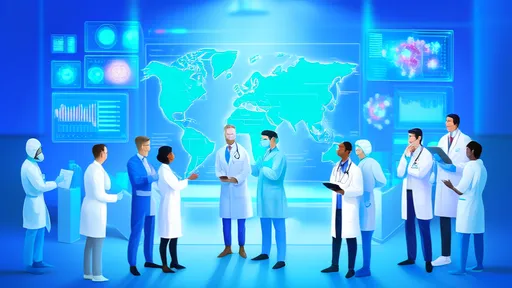
Global health leaders descended upon Berlin this week for what many are calling the most consequential gathering of medical minds since the pandemic began. The atmosphere in the conference halls felt charged with both urgency and cautious optimism as delegates from over 120 countries exchanged handshakes and determined glances. Unlike typical diplomatic gatherings, this meeting carried the weight of recent history - the memory of overwhelmed hospitals, vaccine inequity, and lost lives hanging palpably in the air between conversations about future preparedness.
The German Chancellor's opening address set the tone for what would become three days of intense discussion and negotiation. We stand at a crossroads in global health history, she declared, her voice echoing through the packed auditorium. The choices we make in this room will determine whether our children inherit a world better prepared for health crises or one repeating the painful lessons we've just learned. Her words seemed to linger in the space, acknowledged by the solemn nodding of health ministers who had lived through their own national crises.
One of the most striking aspects of the conference was the visible shift in how global health is being conceptualized. Rather than treating pandemic preparedness as a standalone issue, speakers repeatedly emphasized the interconnected nature of health security with climate change, economic stability, and social equity. The head of the World Health Organization spent considerable time outlining what he called the convergence crises - the dangerous overlap of environmental degradation, emerging pathogens, and social instability that creates perfect conditions for health disasters.
Several developing nations brought compelling testimony about the reality of vaccine apartheid that characterized the COVID-19 response. The health minister from Ghana spoke passionately about watching wealthy nations hoard vaccines while her country faced devastating waves of infection. We cannot call it a global response when some nations are protected while others watch their citizens die waiting for doses that never come, she stated, her voice firm yet weary. This raw honesty seemed to crack open previously polite discussions, leading to more substantive conversations about manufacturing capacity and technology transfer.
A significant portion of the second day focused on what many are calling the silent pandemic - the global mental health crisis exacerbated by COVID-19. Psychologists and psychiatrists presented alarming data about the long-term psychological impact of lockdowns, loss, and constant uncertainty. Unlike previous global health gatherings where mental health was often relegated to side events, this conference placed it squarely in main sessions, signaling what experts hope is a permanent shift in how psychological wellbeing is prioritized in health security planning.
The conversation around climate change and health proved particularly contentious yet productive. Small island nations presented stark evidence of how rising sea levels and extreme weather events are crippling their healthcare infrastructure while simultaneously increasing disease burdens. Our hospitals are flooding while new mosquito-borne illnesses emerge where they've never been seen before, described the health minister from Fiji. For us, climate change isn't a future threat - it's our present reality, and it's fundamentally changing how we must approach health security.
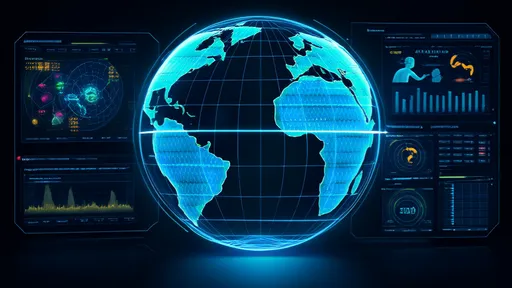
Perhaps the most technical yet crucial discussions centered on reforming the International Health Regulations and creating a new pandemic treaty. Legal experts and epidemiologists debated the fine balance between national sovereignty and global responsibility. The German delegation introduced what they're calling the early warning system 2.0 - a proposal for real-time data sharing that would bypass political bottlenecks during emerging outbreaks. This system would use artificial intelligence to detect unusual disease patterns while protecting individual privacy, though several nations expressed concerns about data security and sovereignty.
The role of primary healthcare in pandemic prevention emerged as an unexpected theme throughout the proceedings. Multiple studies presented demonstrated how countries with strong primary care systems fared significantly better during COVID-19, not just in treatment but in prevention, surveillance, and maintaining routine healthcare. We've learned that emergency response begins long before the emergency, noted a Brazilian public health expert. It begins with having trusted community health workers, accessible clinics, and populations that aren't already burdened by untreated chronic diseases.
Financial commitments became the tangible measure of success for many observers, and the conference did not disappoint in this regard. The European Union announced a substantial increase in its global health security funding, specifically targeting capacity building in African and Southeast Asian nations. More significant than the dollar figures was the shift in how this money will be distributed - moving away from project-based funding toward strengthening entire health systems. This approach recognizes that pandemic-ready nations need resilient health infrastructure year-round, not just during crises.
Scientific collaboration took center stage during the final day, with multiple research institutions announcing new partnerships for pathogen surveillance and vaccine development. The most promising development came in the form of what's being called the Berlin Declaration on Open Science - a commitment by leading research organizations to share findings and resources more rapidly during health emergencies. This agreement, while non-binding, represents a cultural shift in how the scientific community approaches global health threats, prioritizing speed over publication credits.
As the conference drew to a close, attendees expressed cautious optimism about the outcomes. While no single meeting can solve the complex challenges of global health security, the Berlin gathering appeared to mark a turning point in several important respects. The recognition that health security requires addressing climate change, inequality, and mental health represents a more holistic understanding of what makes populations vulnerable. The financial commitments, while never enough, show increased political will to invest in prevention rather than just response.
Perhaps most importantly, the conversations in Berlin demonstrated that the global health community is learning to balance urgent action with long-term thinking. The painful lessons of COVID-19 have created an unprecedented opportunity to build healthier, more resilient societies. As delegates departed for airports and train stations, they carried not just documents and action plans, but the weighty responsibility of turning these discussions into tangible protection for the world's most vulnerable populations. The true test of Berlin's success will be measured not in conference statements, but in hospitals, clinics, and communities in the years to come.

By /Oct 14, 2025

By /Oct 14, 2025

By /Oct 14, 2025

By /Oct 14, 2025

By /Oct 14, 2025
By /Oct 14, 2025

By /Oct 14, 2025

By /Oct 14, 2025

By /Oct 14, 2025

By /Oct 14, 2025
By /Oct 14, 2025
By /Oct 14, 2025
By /Oct 14, 2025

By /Oct 14, 2025
By /Oct 14, 2025
By /Oct 14, 2025

By /Oct 14, 2025
By /Oct 14, 2025
By /Oct 14, 2025

By /Oct 14, 2025
