Shanghai has achieved a remarkable milestone in healthcare by becoming the first city in China to establish a comprehensive community-based palliative care network across all its districts. This ambitious initiative represents a fundamental shift in how society approaches end-of-life care, transforming what was once considered a specialized hospital service into an accessible community resource.
The concept took root nearly a decade ago when healthcare professionals and community advocates began recognizing the growing need for dignified end-of-life care among Shanghai's aging population. What began as pilot programs in select neighborhoods has now evolved into a fully integrated system that brings compassionate care directly to patients' doorsteps. The transformation required not just financial investment but a complete reimagining of healthcare priorities and community values.
Community Integration and Accessibility
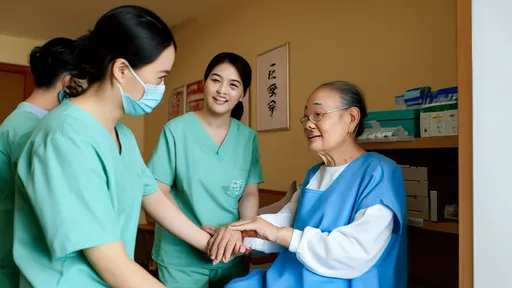
At the heart of Shanghai's palliative care revolution lies the principle of community integration. Rather than concentrating services in major hospitals, the city has established palliative care units within local community health centers, creating a familiar and accessible environment for patients and families. These centers serve as hubs where multidisciplinary teams coordinate care that addresses not just physical symptoms but emotional, psychological, and spiritual needs as well.
The accessibility of these services cannot be overstated. Patients living with serious illnesses can now receive comprehensive palliative care within their own neighborhoods, eliminating the need for stressful hospital visits and allowing them to remain in comfortable, familiar surroundings. Family members receive crucial support and education, learning how to provide care while also attending to their own emotional wellbeing during challenging times.
Each community center maintains a team comprising doctors specializing in palliative medicine, trained nurses, social workers, psychological counselors, and volunteers who work collaboratively to create individualized care plans. This team-based approach ensures that every aspect of a patient's experience receives attention, from pain management and symptom control to emotional support and practical assistance with daily living.
Training and Professional Development
The success of Shanghai's community palliative care network rests heavily on the extensive training programs developed for healthcare professionals at all levels. Medical schools and nursing programs have incorporated palliative care into their core curricula, while existing practitioners participate in ongoing professional development courses. These educational initiatives cover not only clinical skills but also communication techniques, ethical considerations, and cultural sensitivity training.
Special attention has been given to training community health workers who serve as the first point of contact for many patients. These workers learn to identify patients who could benefit from palliative services, initiate conversations about care preferences, and provide basic support while coordinating with specialized team members. Their role has proven crucial in normalizing discussions about end-of-life care within communities.
Beyond formal healthcare providers, the city has implemented training programs for volunteers who play an invaluable role in the palliative care ecosystem. These volunteers receive instruction in active listening, basic comfort measures, and family support, enabling them to complement professional services with compassionate human connection. Many volunteers come from communities they serve, bringing cultural understanding and personal connections that enhance the quality of care.
Technological Integration and Innovation
Shanghai's palliative care system leverages technology to enhance service delivery and coordination. A centralized digital platform connects all community palliative care units, allowing seamless information sharing between providers and ensuring continuity of care as patients transition between different service levels. This technological infrastructure supports remote consultations, enabling specialists from major hospitals to guide community teams in complex cases.
Mobile health applications provide another layer of support, allowing patients and families to access resources, communicate with care teams, and monitor symptoms from home. These digital tools have proven particularly valuable during the COVID-19 pandemic, when in-person visits became more challenging. The applications include features for medication management, appointment scheduling, and direct messaging with healthcare providers.
Artificial intelligence and data analytics play an increasingly important role in identifying patients who may benefit from early palliative intervention. By analyzing patterns in electronic health records, the system can flag patients with progressive conditions that typically require palliative support, enabling proactive rather than reactive care initiation. This data-driven approach helps optimize resource allocation and improve outcomes.
Cultural Transformation and Public Education
Perhaps the most significant achievement of Shanghai's palliative care initiative lies in the cultural transformation it has fostered regarding discussions about death and dying. For generations, these topics remained taboo in Chinese society, often resulting in delayed conversations about care preferences and unnecessary suffering at life's end. The city has implemented extensive public education campaigns to normalize these discussions and empower individuals to make informed decisions about their care.
Community workshops, school programs, and media campaigns have helped reshape public understanding of palliative care, emphasizing that it focuses on quality of life rather than merely the end of life. These educational efforts highlight how early integration of palliative care can complement curative treatments, providing comfort and support throughout a serious illness rather than only in its final stages.
The changing attitudes are evident in community responses. Families report greater comfort in discussing care preferences with loved ones, and patients express appreciation for having their values and wishes respected. This cultural shift represents a fundamental change in how Shanghai residents approach serious illness and the end of life, prioritizing dignity, comfort, and personal choice.
Economic Considerations and Sustainability
The economic implications of community-based palliative care extend beyond immediate healthcare savings. While reducing hospitalizations and intensive care unit stays does generate significant cost savings, the broader economic benefit lies in supporting family caregivers who might otherwise need to leave employment to provide care. By offering professional support within communities, the system helps maintain workforce participation and economic productivity.
Shanghai's approach incorporates multiple funding streams to ensure sustainability. Basic palliative services receive government funding through the healthcare system, while additional services may be covered by insurance or offered through social enterprise models. This blended financing approach helps maintain service quality while keeping care accessible to all residents regardless of economic circumstances.
Research initiatives track both clinical outcomes and economic metrics, providing data to guide ongoing refinement of the palliative care model. Early results indicate not only improved patient and family satisfaction but also more efficient use of healthcare resources. These findings support continued investment in community-based approaches while providing valuable insights for other cities considering similar initiatives.
Future Directions and Global Implications
As Shanghai continues to refine its palliative care system, attention is turning to further integration with other social services and support networks. Plans include stronger connections with disability services, mental health resources, and community organizations that serve vulnerable populations. This integrated approach recognizes that quality end-of-life care requires coordination across multiple sectors beyond healthcare alone.
The city's achievement offers valuable lessons for other urban centers grappling with aging populations and increasing chronic disease burdens. International healthcare delegations have visited Shanghai to study the model, and city officials have participated in global forums sharing insights and best practices. The successful implementation demonstrates that with committed leadership, adequate resources, and community engagement, comprehensive palliative care is achievable at scale.
Looking ahead, Shanghai aims to further personalize palliative care through advanced care planning initiatives that help individuals document their preferences long before serious illness occurs. The city also plans to expand bereavement support services for families and develop more specialized pediatric palliative care capabilities. These future directions reflect an ongoing commitment to continuous improvement in end-of-life care.
The completion of Shanghai's community palliative care network represents more than a healthcare achievement—it signifies a society's evolving relationship with mortality and compassion. By bringing dignified end-of-life care into every neighborhood, the city has created a model that honors both medical science and human dignity, setting a standard that will likely influence healthcare development far beyond China's borders for years to come.

By /Oct 14, 2025

By /Oct 14, 2025

By /Oct 14, 2025

By /Oct 14, 2025

By /Oct 14, 2025
By /Oct 14, 2025

By /Oct 14, 2025

By /Oct 14, 2025

By /Oct 14, 2025

By /Oct 14, 2025
By /Oct 14, 2025
By /Oct 14, 2025

By /Oct 14, 2025

By /Oct 14, 2025

By /Oct 14, 2025

By /Oct 14, 2025

By /Oct 14, 2025
By /Oct 14, 2025

By /Oct 14, 2025

By /Oct 14, 2025
