Run for Love, Focus on Lung Health

Oct 14, 2025 By

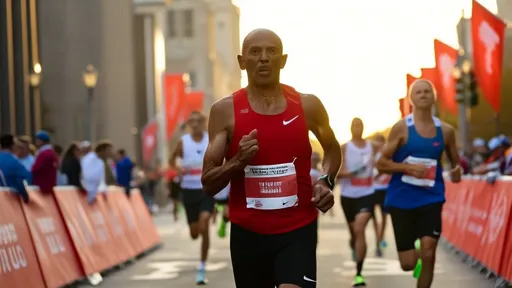
In the crisp morning air of Central Park, hundreds of runners gather as the sun begins its ascent. Among them is Sarah Jenkins, a forty-two-year-old marketing executive who lost her father to lung cancer two years ago. Today, she laces up her running shoes not just for exercise, but for something far more profound. "Every step I take," she says, her breath forming small clouds in the cool air, "is a step toward honoring my father's memory and helping others avoid what our family went through."


Across the globe, similar scenes unfold in cities from London to Tokyo, where running has evolved from mere physical activity to a powerful movement combining personal health with pulmonary awareness. What began as isolated charity runs has blossomed into a global phenomenon that merges athletic passion with respiratory health advocacy. The connection between cardiovascular exercise and lung function has created a natural partnership between runners and lung health organizations, resulting in events that draw thousands while raising millions for research and education.


The Science Behind the Stride

Running does more than just strengthen legs and improve cardiovascular health—it serves as a powerful tool for lung capacity development and maintenance. When we run, our breathing rate increases dramatically, sometimes reaching 40-60 breaths per minute compared to the resting rate of 12-20. This increased respiratory demand forces our lungs to work more efficiently, expanding their capacity and strengthening the diaphragm and intercostal muscles.


Dr. Michael Chen, a pulmonologist at Stanford University, explains the profound benefits: "Regular running can increase lung capacity by up to 15 percent in previously sedentary individuals. More importantly, it improves the efficiency of oxygen exchange in the alveoli, those tiny air sacs where the magic of breathing actually happens. For people with healthy lungs, running helps maintain that health. For those with compromised respiratory systems, appropriate running programs can significantly improve quality of life."


The relationship works both ways. Healthy lungs enable better running performance, creating a virtuous cycle where improved pulmonary function leads to better athletic performance, which in turn further enhances respiratory health. This symbiotic relationship has not gone unnoticed by medical professionals and fitness experts alike, who increasingly recommend running as part of comprehensive lung health maintenance programs.


Stories That Move Us

Behind every runner in these pulmonary awareness events lies a personal story that fuels their journey. Take David Rodriguez, a fifty-eight-year-old former smoker who started running after being diagnosed with early-stage COPD. "The doctor told me my lung function was declining," David recalls, his voice steady despite the emotional memory. "I could either sit back and watch it happen or fight back. I chose to fight."


Three years later, David has completed seven half-marathons and raised over $50,000 for lung disease research. His lung function tests show remarkable stability, and his doctors credit his running regimen with slowing the progression of his condition. "Every time I feel that burn in my lungs during a hard run, I remember why I'm doing this. That discomfort is temporary, but the impact we're making is permanent."


Then there's the story of the Miller family from Chicago, who organize an annual "Breathe Easy 5K" in honor of their daughter Emily, who passed away from cystic fibrosis at sixteen. What began as a small community event has grown into a city-wide movement attracting over two thousand participants each year. "Emily loved watching runners from her hospital window," her mother shares. "Now, through this event, her spirit runs with every participant."


These personal narratives form the emotional backbone of the movement, transforming abstract medical conditions into relatable human experiences. They remind us that behind every statistic about lung disease are real people with dreams, families, and stories worth honoring.


The Evolution of Pulmonary Awareness Events

Pulmonary-focused running events have undergone significant transformation since their inception in the late 1990s. Initially organized as simple fun runs with minimal medical involvement, today's events represent sophisticated collaborations between medical institutions, patient advocacy groups, and corporate sponsors.


Modern pulmonary runs typically feature pre-event lung function screenings, educational booths staffed by respiratory therapists, and designated "breathing zones" where participants can learn proper breathing techniques. Many events now include separate categories for individuals with respiratory conditions, complete with medical support along the course.


Dr. Elizabeth Wong, who helps organize the Boston Breathe Easy Marathon, notes the evolution: "We've moved beyond just raising funds. These events have become comprehensive health education platforms. Participants leave not only having exercised but having learned something valuable about their respiratory health. Many have detected early warning signs of lung issues at our screening stations and sought medical attention as a result."


The integration of technology has further enhanced these events. Mobile apps now track participants' breathing rates during runs, providing personalized insights into their respiratory efficiency. Social media campaigns extend the impact far beyond race day, creating year-round communities of support and education.


Global Impact and Local Action

While the movement has global reach, its most significant impact often occurs at the local level. In urban areas with high air pollution, pulmonary runs serve dual purposes—raising awareness about lung health while advocating for cleaner air policies. Participants frequently become ambassadors for environmental causes, recognizing the direct connection between air quality and respiratory function.


In developing nations, where access to pulmonary care remains limited, these events often partner with local health organizations to provide basic screening and education. The runs become entry points to healthcare systems for underserved communities, identifying individuals who need further medical attention and connecting them with available resources.


Corporate involvement has expanded the movement's reach significantly. Companies increasingly sponsor pulmonary runs as part of their corporate social responsibility initiatives, while also promoting employee participation as part of workplace wellness programs. This corporate-community partnership has proven mutually beneficial, improving both public health and corporate image.


The economic impact extends beyond fundraising. Local businesses benefit from increased foot traffic during events, while hotels and restaurants see boosted revenue from out-of-town participants. This economic incentive has encouraged cities to support these events, recognizing their value beyond the health benefits alone.


Training with Pulmonary Health in Mind

Serious runners participating in pulmonary awareness events often adopt specialized training approaches that prioritize respiratory health. Many incorporate breathing exercises into their routines, practicing techniques like diaphragmatic breathing and paced respiration. These methods not only improve running efficiency but also enhance overall lung function.


Altitude training has gained popularity among dedicated participants, as exercising in oxygen-reduced environments can stimulate increased red blood cell production and improve oxygen utilization. While not accessible to everyone, simulated altitude training masks and chambers have made these benefits available to broader audiences.


Nutrition plays a crucial role in supporting pulmonary health for runners. Anti-inflammatory diets rich in antioxidants help combat exercise-induced oxidative stress in the respiratory system. Many runners specifically increase their intake of foods known to support lung health, including apples, tomatoes, and omega-3 rich fish.


Perhaps most importantly, runners in this movement learn to listen to their bodies with heightened awareness. They become attuned to subtle changes in their breathing patterns, often detecting potential issues earlier than they might otherwise. This heightened bodily awareness represents a valuable health monitoring tool that extends far beyond their running practice.


The Future of Running for Respiratory Health

As the movement continues to evolve, several trends suggest an increasingly sophisticated and impactful future. Genetic testing is beginning to inform personalized training programs that account for individual predispositions to certain respiratory conditions. This personalized approach could revolutionize how we think about exercise and pulmonary health.


Technology integration is advancing rapidly. Wearable devices that monitor respiratory metrics in real-time are becoming more accessible, providing runners with immediate feedback about their lung function during exercise. These technologies not only enhance training but also serve as early warning systems for potential health issues.


Research partnerships between running organizations and medical institutions are yielding valuable data about the long-term effects of running on pulmonary health. Large-scale studies tracking participants over decades promise to provide unprecedented insights into how regular running affects lung aging and disease prevention.


The movement is also expanding to include more diverse populations. Adaptive running programs for individuals with significant respiratory limitations are making the benefits of running accessible to those who might previously have been excluded. These inclusive approaches recognize that everyone deserves the opportunity to improve their pulmonary health through appropriate physical activity.


Beyond the Finish Line

The true impact of running for pulmonary health extends far beyond race days and fundraising totals. It represents a fundamental shift in how we approach respiratory wellness—from reactive treatment to proactive maintenance. Participants often describe experiencing what researchers call "the runner's high," but many report something deeper: a sense of purpose that transcends physical achievement.


Communities built around these events provide crucial support networks for individuals affected by lung diseases. The shared experience of training and participating creates bonds that often extend into other aspects of life, forming resilient communities united by common purpose.


Perhaps most importantly, these runs make lung health visible and tangible. In a world where respiratory issues often remain hidden until they become severe, thousands of people moving together in the name of pulmonary awareness sends a powerful message: that our breath matters, that lung health deserves attention, and that every step toward better respiratory function is a step worth taking.


As Sarah Jenkins crosses the finish line in Central Park, her face flushed with effort and emotion, she embodies this message. "My father couldn't breathe at the end," she says, her voice thick with memory. "But when I run, I breathe for both of us. And with every breath, I hope we're moving closer to a world where nobody has to struggle for air."


In cities around the world, as runners tie their shoes and take their first steps, they join Sarah in this hope. They run not just for personal fitness, not just for competition, but for love—for loved ones lost, for those still fighting, for future generations who deserve clean, easy breaths. They run because sometimes, the most powerful statements aren't spoken but breathed, not written but lived, one step at a time.



Recommend Posts
Health

Transforming the Global Health Architecture: Pursuing Health Equity

By /Oct 14, 2025

In the hushed corridors of global health institutions, a quiet revolution is taking shape. The very architecture that has governed international health responses for decades is undergoing a profound transformation. This isn't merely about restructuring organizations or rewriting protocols; it's about fundamentally reimagining how we approach health equity on a planetary scale. The COVID-19 pandemic served as a brutal revealer of systemic fractures, exposing how deeply health outcomes are tied to geography, economics, and social standing. What began as a health crisis rapidly evolved into a stark demonstration of global inequality, with vaccine distribution patterns that favored wealthy nations while leaving vulnerable populations exposed. This painful lesson has catalyzed a movement that questions the foundational principles of global health governance.
Health

Personalized Wellness: Beyond the One-Size-Fits-All Approach

By /Oct 14, 2025

In an age where wellness trends spread like wildfire across social media platforms, the pursuit of health has become a global obsession. From intermittent fasting to high-intensity interval training, from adaptogenic herbs to cryotherapy, the modern wellness landscape is saturated with promises of vitality and longevity. Yet, as millions rush to adopt the latest health craze, a critical question emerges: are these universally prescribed regimens truly beneficial for everyone? The answer, increasingly supported by scientific evidence and clinical experience, is a resounding no. The concept of personalized wellness is not merely a passing trend but a fundamental shift in how we approach health—one that recognizes the profound uniqueness of each individual's body, mind, and lifestyle.
Health

Mental Health, the Lifeline" in Emergencies

By /Oct 14, 2025

In the quiet moments when the world seems to collapse inward, when the weight of existence becomes unbearable, there exists a fragile thread connecting despair to hope. This thread, often invisible until desperately needed, represents what mental health professionals call psychological lifelines—the critical connections and resources that sustain individuals during their darkest hours. Unlike physical emergencies where flashing lights and sirens announce the crisis, mental health emergencies often unfold in silence, behind closed doors, where the only sound is the internal scream of a soul in torment.
Health

Death Education: Learning to Bid Farewell to Life

By /Oct 14, 2025

In the quiet corners of human existence, where light meets shadow and breath meets silence, there exists a conversation we've collectively avoided for centuries. The Western world has perfected the art of living while remaining remarkably unskilled at addressing life's only certainty. We celebrate births with champagne toasts and wedding anniversaries with diamond gifts, yet we whisper about death in hospital corridors and funeral homes as if it were a social faux pas rather than the universal human experience it truly represents.
Health

Control Your Diet, Increase Your Activity, and Keep Your Blood Pressure Steady

By /Oct 14, 2025

In the modern era, where fast-paced lifestyles and convenience-driven habits dominate, the prevalence of hypertension has surged to alarming levels. Often termed the "silent killer," high blood pressure stealthily damages vital organs, increasing the risk of heart disease, stroke, and kidney failure. While medications play a crucial role in management, the cornerstone of controlling blood pressure lies in fundamental lifestyle adjustments. The age-old adage of "watch your diet, stay active, and keep your blood pressure stable" encapsulates a holistic approach that empowers individuals to take charge of their health. This philosophy not only addresses the physical aspects but also underscores the importance of mental and emotional balance in maintaining optimal blood pressure levels.
Health

Precision Medicine: How Biomarkers Are Revolutionizing Lung Cancer Treatment

By /Oct 14, 2025

In the quiet hum of a modern oncology laboratory, a revolution is unfolding—one that is fundamentally reshaping our approach to lung cancer. The era of one-size-fits-all chemotherapy is giving way to a more sophisticated paradigm where treatment decisions are guided by the unique molecular signature of each patient's tumor. This transformation, powered by the identification and application of biomarkers, represents the most significant advancement in lung cancer care in decades.
Health

Global Health Leaders Gather in Berlin to Discuss the Future of Health

By /Oct 14, 2025

Global health leaders descended upon Berlin this week for what many are calling the most consequential gathering of medical minds since the pandemic began. The atmosphere in the conference halls felt charged with both urgency and cautious optimism as delegates from over 120 countries exchanged handshakes and determined glances. Unlike typical diplomatic gatherings, this meeting carried the weight of recent history - the memory of overwhelmed hospitals, vaccine inequity, and lost lives hanging palpably in the air between conversations about future preparedness.
Health

Persistent Low Mood? It Could Be a Call for Help"

By /Oct 14, 2025

When someone tells you they've been feeling down for a while, it's easy to dismiss it as a passing phase or a bad week. We've all experienced temporary slumps, those days when everything feels gray and motivation evaporates. But what happens when those days stretch into weeks, and those weeks blur into months? Persistent low mood is not just an extended version of a bad day; it's a fundamentally different experience, and it often serves as a critical, though frequently misunderstood, distress signal from our own minds.
Health

Building a Chinese Model" for End-of-Life Care

By /Oct 14, 2025

As dusk settles over the bustling streets of Shanghai, a quiet revolution is taking shape in hospital wards and community centers across China. The nation that once viewed death as taboo is now pioneering an innovative approach to end-of-life care that blends ancient wisdom with modern medicine, creating what experts are calling a distinctly Chinese model for life's final chapter.
Health

Warmth at the End of Life: Palliative Care in China

By /Oct 14, 2025

In the hushed corridors of Shanghai's Longhua Hospital, a quiet revolution is unfolding. Here, in the palliative care unit, the relentless beeping of life support machines gives way to the soft murmur of conversations and occasional laughter. Dr. Li Wei adjusts a patient's blanket, her movements deliberate and gentle. "We're not just treating diseases here," she says, her voice barely above a whisper. "We're honoring lives." This scene represents a profound shift in China's approach to end-of-life care, where the focus is moving from aggressive treatment to dignified comfort.
Health

Repurposing Old Medicine: The Potential of Metformin for Lung Protection

By /Oct 14, 2025

In the ever-evolving landscape of medical science, the concept of drug repurposing has emerged as a beacon of innovation, offering new therapeutic avenues without the protracted timelines of novel drug development. Among the most promising candidates in this paradigm shift is metformin, a venerable agent in the diabetes armamentarium, now stepping into the limelight for its potential in pulmonary protection. This journey from a glucose-lowering stalwart to a potential guardian of lung health underscores a fascinating narrative of scientific rediscovery.
Health

The Silent Pandemic: Non-Communicable Diseases and the Global Burden

By /Oct 14, 2025

In the shadow of infectious disease outbreaks and global health emergencies, a quieter, more insidious pandemic continues to claim lives at an alarming rate. Non-communicable diseases (NCDs), a group of conditions that are not passed from person to person, represent one of the most significant challenges to human health and development in the 21st century. While the world's attention is often captured by the rapid spread of viruses, NCDs work silently, progressively undermining health systems, economies, and communities. The scale of this crisis is staggering, yet it fails to command the same level of urgency or resources as their infectious counterparts.
Health

Planetary Health Coordinates: AI's Role in Bridging Health and Environment

By /Oct 14, 2025

In the quiet hum of server farms and the intricate dance of algorithms, a new paradigm is emerging in our understanding of global wellbeing. The concept of planetary health coordinates represents a revolutionary framework where artificial intelligence serves as the critical connective tissue between human health and environmental stability. This isn't merely about tracking isolated health metrics or monitoring environmental changes in separate silos. Rather, it's about understanding that the coordinates of human wellness are intrinsically tied to the coordinates of planetary vitality.
Health

Fat Crabs in Autumn: How to Enjoy Deliciousness and Health Together"

By /Oct 14, 2025

The crisp autumn air carries with it a particular culinary anticipation – the arrival of crab season. As leaves turn to fiery hues, markets and dinner tables become adorned with these armored delicacies, their shells promising a sweet, succulent treasure within. For centuries, the consumption of crab during the fall has been a celebrated tradition in many cultures, a ritual marking the change of seasons and the bounty of the harvest. The phrase "autumn crabs are at their fattest" is not merely a saying but a gastronomic truth, as crabs build up rich reserves of meat and roe to prepare for the winter months. This period offers a unique convergence of peak flavor and nutritional richness, presenting both a delight for the palate and a complex puzzle for the health-conscious epicurean.
Health

Cross-industry Collaboration to Build a Global Health Defense Line

By /Oct 14, 2025

In an increasingly interconnected world, the boundaries that once defined health challenges have dissolved, giving way to a new era where a pathogen detected in a remote village can become a global threat within days. This stark reality has catalyzed a profound shift in our approach to global health, moving from isolated national efforts to a unified, collaborative front. The concept of cross-border cooperation in building a global health defense line is no longer a lofty ideal but an urgent necessity, a strategic imperative for safeguarding humanity's collective future.
Health

Run for Love, Focus on Lung Health

By /Oct 14, 2025

In the crisp morning air of Central Park, hundreds of runners gather as the sun begins its ascent. Among them is Sarah Jenkins, a forty-two-year-old marketing executive who lost her father to lung cancer two years ago. Today, she laces up her running shoes not just for exercise, but for something far more profound. "Every step I take," she says, her breath forming small clouds in the cool air, "is a step toward honoring my father's memory and helping others avoid what our family went through."
Health

Overcoming Emotional Lows and Actively Coping with Autumn Blues"

By /Oct 14, 2025

The amber leaves begin their slow twirl toward the earth, and the air carries that distinct crispness that signals summer's final bow. For many, this seasonal shift brings more than just a change in wardrobe; it ushers in a subtle but persistent melancholy that poets have termed "autumn sorrow" for centuries. This phenomenon, while not always clinical in nature, represents a very real psychological experience shared by millions across cultures.
Health

Shanghai Achieves Full Community Coverage of Palliative Care

By /Oct 14, 2025

Shanghai has achieved a remarkable milestone in healthcare by becoming the first city in China to establish a comprehensive community-based palliative care network across all its districts. This ambitious initiative represents a fundamental shift in how society approaches end-of-life care, transforming what was once considered a specialized hospital service into an accessible community resource.
Health

Invisible Campus Threats: Radon Detection and Prevention

By /Oct 14, 2025

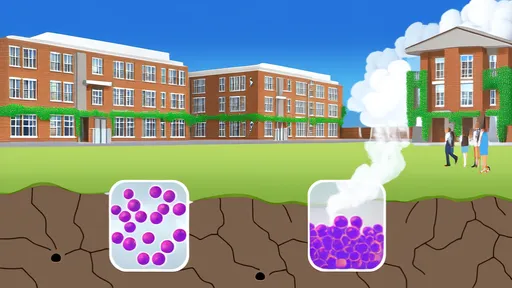
In the quiet corridors of academic institutions, where the pursuit of knowledge reigns supreme, an invisible threat often goes unnoticed. Radon gas, a naturally occurring radioactive element, has been silently infiltrating educational facilities across the country, posing significant health risks to students, faculty, and staff. Unlike more visible campus concerns, this colorless, odorless gas requires specialized detection methods and strategic mitigation approaches that many institutions have yet to fully implement.
Health

Global Mental Health Crisis, Huge Gap in Assistance Funding

By /Oct 14, 2025

In the shadow of the bustling global economy and technological advancements, a silent crisis is unfolding—one that affects millions yet remains largely unaddressed. The global mental health crisis has reached alarming proportions, with the World Health Organization estimating that nearly one billion people worldwide live with a mental disorder. This staggering figure represents a profound human tragedy, yet the response has been woefully inadequate. The gap between the need for mental health services and the available funding has widened into a chasm, threatening to undermine decades of progress in global health and human development.