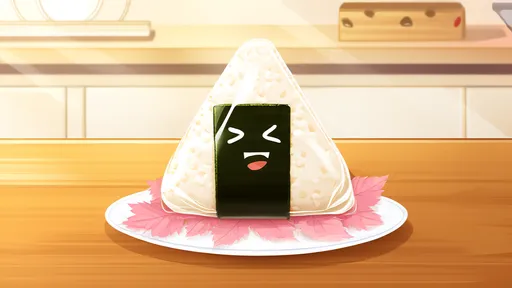
In the vibrant world of culinary creativity, a delightful trend has emerged from the intersection of food artistry and pop culture: the cartoon onigiri. These charming rice balls, traditionally a staple in Japanese cuisine, have undergone a whimsical transformation, evolving into edible canvases for expression and joy. The process, which involves shaping rice with plastic wrap and adorning it with nori cut into expressive features, has captured the imagination of food enthusiasts and social media users alike, turning a simple meal into a global phenomenon.
The foundation of this trend lies in the humble onigiri, a food with deep cultural roots in Japan. Historically, onigiri served as a practical, portable meal, often filled with pickled plum, salmon, or other savory ingredients, and wrapped in nori to keep the rice from sticking to hands. Its triangular shape, believed to have been popularized for its ease of holding and eating, now provides the perfect structure for artistic embellishment. The modern twist, however, leverages everyday kitchen tools—primarily plastic wrap—to achieve precise, clean shapes without the mess, making it accessible to home cooks of all skill levels.
Central to the creation of these edible characters is the use of plastic wrap for molding. This technique begins with warm, freshly cooked rice, which is slightly seasoned with salt or rice vinegar to enhance flavor and improve stickiness. A sheet of plastic wrap is laid out, and a portion of rice is placed in the center. The wrap is then gathered and twisted at the top, allowing the cook to apply gentle pressure to form a compact, uniform triangle. This method not only ensures a consistent shape but also keeps hands clean, preserving the integrity of the rice's texture. The plasticity of the wrap enables subtle adjustments, such as pinching corners to sharpen edges or rounding sides for a softer look, providing a blank slate for creativity.
Once the base is set, the true magic unfolds with the addition of nori, or seaweed sheets, which are cut into intricate designs to form faces, expressions, and decorative elements. Nori's deep black color and slight crispness offer a striking contrast against the white rice, making it ideal for detailed artwork. Enthusiasts often use small scissors or specialty nori punches—tools originally designed for bento box art—to create precise shapes like eyes, mouths, eyebrows, and even accessories such as hats or bows. These elements are then carefully applied to the rice surface, where the natural moisture causes the nori to adhere seamlessly. The expressions range from cheerful smiles and wide-eyed wonder to humorous grimaces, drawing inspiration from anime, emojis, and original characters.
The appeal of cartoon onigiri extends beyond mere aesthetics; it taps into a broader cultural movement towards kawaii, or cuteness, which permeates Japanese lifestyle and has gained international traction. This aesthetic emphasizes charm, innocence, and playfulness, qualities that these rice balls embody perfectly. Social media platforms like Instagram, Pinterest, and TikTok have become hotbeds for sharing these creations, with hashtags such as #onigiriart and #cartoonfood amassing thousands of posts. Users showcase their designs, exchange tips, and participate in challenges, fostering a sense of community and innovation. The visual nature of these platforms amplifies the trend, as the photogenic quality of the onigiri makes them highly shareable, often evoking reactions of delight and admiration from viewers worldwide.
Moreover, this trend aligns with a growing interest in mindful eating and food presentation. In an era where meals are frequently rushed or consumed distractedly, the act of crafting a cartoon onigiri encourages slowness and intention. It transforms cooking from a routine task into a creative ritual, offering a meditative outlet that reduces stress and enhances enjoyment. For parents, it presents an opportunity to engage children in the kitchen, making healthy foods like rice and seaweed more appealing to picky eaters. The playful designs can turn a simple lunch into an adventure, sparking curiosity and conversation around the table.
From a practical standpoint, the ingredients required are inexpensive and widely available, lowering the barrier to entry. Rice, nori, and plastic wrap are pantry staples in many households, and the tools needed are minimal—often just a pair of scissors and a steady hand. This accessibility has democratized food art, allowing anyone to participate regardless of culinary expertise. Online tutorials and step-by-step guides abound, offering guidance on techniques such as layering nori for shadow effects or using natural dyes like beet juice or turmeric to add color to the rice for more complex designs.
Despite its simplicity, the trend has inspired innovation, with variations emerging that incorporate different rice types—such as brown rice for a healthier option or sushi rice for a stickier consistency—and fillings that add surprise elements, like a center of spicy tuna or avocado that contrasts with the cute exterior. Some creators even experiment with hybrid forms, blending onigiri with other dishes like sandwiches or burgers, further pushing the boundaries of food art.
In conclusion, the cartoon onigiri phenomenon, born from the clever use of plastic wrap and nori, represents more than just a passing fad. It is a testament to the enduring power of creativity in everyday life, bridging cultural traditions with modern expression. By turning a functional food into a source of joy and connection, it highlights how small, intentional acts of creation can enrich our experiences and bring people together. As this trend continues to evolve, it promises to keep delighting and inspiring, one adorable rice ball at a time.
By /Aug 20, 2025
By /Aug 20, 2025
By /Aug 20, 2025
By /Aug 20, 2025
By /Aug 20, 2025
By /Aug 20, 2025
By /Aug 20, 2025
By /Aug 20, 2025
By /Aug 20, 2025
By /Aug 20, 2025
By /Aug 20, 2025
By /Aug 20, 2025
By /Aug 20, 2025
By /Aug 20, 2025
By /Aug 20, 2025
By /Aug 20, 2025
By /Aug 20, 2025
By /Aug 20, 2025

By /Aug 20, 2025
By /Aug 20, 2025
