In the realm of culinary arts, the preparation of preserved meats such as bacon or salted pork often presents a challenge: how to reduce the intense saltiness without compromising texture or flavor. A traditional method, passed down through generations, involves a simple yet effective technique of soaking and changing water multiple times. This process not only mitigates excess salt but also ensures the meat remains succulent and palatable, achieving that perfect balance chefs and home cooks strive for.
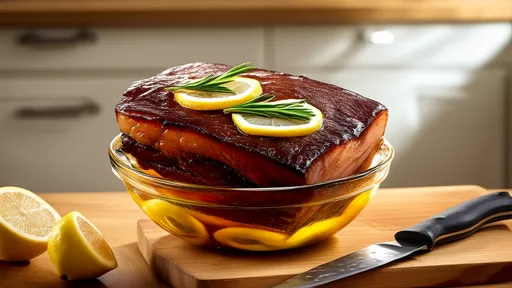
The initial step begins with selecting quality preserved meat. Whether it's a thick slab of bacon or a piece of salt-cured pork, the goal is to start with a product that has been properly cured. Once chosen, the meat is placed in a large bowl or container, fully submerged in cold water. This first soak is crucial as it starts to draw out the surface salt and rehydrate the meat, which may have hardened during the preservation process. Experts recommend using chilled water to prevent any premature cooking or texture changes, especially if the meat will be used in dishes requiring further preparation.
After the first soak, which typically lasts for several hours or overnight in the refrigerator, the water is discarded. This water often appears cloudy and may have a pronounced salty taste if sampled. The meat is then rinsed briefly under cold running water to remove any residual salt particles clinging to its surface. This rinse is gentle to avoid damaging the meat's structure, preserving its integrity for cooking.
The second soak follows, again with fresh cold water. This stage continues the desalination process, penetrating deeper into the meat fibers. The duration can vary based on the thickness of the cut and the initial saltiness; thinner slices might require less time, whereas thicker cuts benefit from a longer immersion. During this phase, the meat begins to soften further, and its natural flavors start to emerge from beneath the salt crust. It's not uncommon for cooks to taste a small piece after this step to gauge the progress, ensuring they are on track for that ideal mild salinity.
Once the second soak is complete, the water is changed again. The third and final soak is where the magic happens—the meat reaches its desired level of saltiness. By this point, most of the excess salt has been extracted, leaving behind a well-balanced flavor profile. The meat should now be tender, moist, and ready for cooking. This triple-soak method is revered for its reliability; it avoids the common pitfall of over-desalination, which can leave meat bland and unappealing.
Why three soaks? It's a matter of efficiency and thoroughness. Each water change acts as a reset, allowing the osmotic process to continue drawing out salt without saturation. If fewer soaks were used, the water might become too saline too quickly, reducing its effectiveness. Three cycles strike a balance between practicality and perfection, ensuring even deeply cured meats are adequately treated. This technique is particularly valued in traditional cuisines, where preserved meats are staples, and precision in preparation is key to culinary success.
The benefits extend beyond mere taste. Reducing salt through soaking can also make preserved meats healthier, lowering sodium intake without sacrificing the depth of flavor that curing provides. For those monitoring their salt consumption for medical or dietary reasons, this method is a game-changer. It allows enjoyment of classic dishes like stews, soups, or fried bacon with greater peace of mind. Moreover, the improved texture—avoiding the toughness that sometimes accompanies highly salted meats—enhances the overall dining experience.
In practice, this method is versatile. It works wonders for various types of salted or cured meats, from pork belly to ham hocks. Chefs often adapt the soaking times based on the specific product and its intended use in recipes. For instance, meat destined for a slow-cooked dish might undergo slightly longer soaks to ensure it melds well with other ingredients without overpowering them with saltiness. The consistency of results has made this technique a cornerstone in both professional kitchens and home cooking alike.
To achieve the best outcome, always use cold water throughout the process, as warm or hot water can cook the meat superficially, leading to an uneven texture. Additionally, keep the meat refrigerated during soaking to prevent bacterial growth, especially if extending soaks beyond a few hours. After the final soak, pat the meat dry with paper towels before cooking to promote better browning and flavor development in subsequent preparation steps.
In conclusion, the art of reducing salt in preserved meats through triple soaking is a time-honored practice that marries simplicity with effectiveness. It transforms overly salty cuts into delectable, well-balanced ingredients ready for a myriad of culinary applications. By embracing this method, cooks can elevate their dishes, ensuring every bite is savored for its intended flavor, not masked by excessive salt. Whether you're a seasoned chef or an enthusiastic home cook, mastering this technique will undoubtedly enrich your repertoire and delight your palate.

By /Aug 20, 2025

By /Aug 20, 2025

By /Aug 20, 2025

By /Aug 20, 2025

By /Aug 20, 2025

By /Aug 20, 2025

By /Aug 20, 2025

By /Aug 20, 2025

By /Aug 20, 2025

By /Aug 20, 2025

By /Aug 20, 2025

By /Aug 20, 2025
By /Aug 20, 2025
By /Aug 20, 2025
By /Aug 20, 2025

By /Aug 20, 2025
By /Aug 20, 2025

By /Aug 20, 2025

By /Aug 20, 2025

By /Aug 20, 2025
