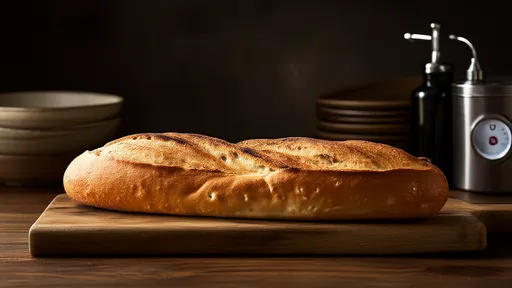
There's a particular sadness that accompanies the discovery of a once-proud, crusty baguette transformed into a sad, rubbery stalactite. Its former glory, that symphony of a shattering crust giving way to a soft, airy interior, is but a memory. For many, this signals the end of the road, a one-way ticket to breadcrumbs or, worse, the bin. But what if I told you that resurrection is not only possible but astonishingly simple? The secret, passed down through generations of bakers and savvy home cooks, is a quick spritz of water and a brief, hot oven blast. This isn't just a hack; it's a culinary rebirth.
The magic of a fresh baguette is a lesson in texture and moisture distribution. Straight from the oven, the crust is dry, hard, and crackly, a result of intense heat driving moisture from the surface. The interior crumb, however, remains moist and tender, trapped within the hardened shell. As hours turn into a day, physics takes its inevitable course. The moisture trapped inside the crumb begins to migrate outward, seeking equilibrium with the drier air outside. It hydrates the once-crispy crust, turning it leathery and tough, while the interior itself dries out, losing its tender spring and becoming firm and stale. This migration is the enemy of good bread, but understanding it is the first step to defeating it.
Enter the revival technique: a light misting of water and a three-minute stay in a 150°C (300°F) oven. This process is a deliberate and clever reversal of the staling process. The water you add isn't just moisture; it's a strategic tool. As the fine droplets settle on the surface of the stale bread, they begin to rehydrate the outer layer. But the real transformation happens in the heated environment of the oven. The oven's heat immediately gets to work, doing two crucial things simultaneously. First, it rapidly converts that surface water into steam. This steam is the hero of our story. It penetrates the outermost layer of the crust, rehydrating it from the outside-in and beginning the process of softening that tough, leathery exterior just enough.
Secondly, and just as importantly, the intense, direct heat of the oven works on the bread's existing internal moisture. The oven's energy agitates these water molecules, effectively reviving them and helping to re-establish that critical moisture gradient—wetter inside, drier outside—that defines fresh bread. The heat also has a effect on the starch molecules within the crumb. Over time, these starch molecules recrystallize in a process called retrogradation, which is the scientific term for staling. The gentle heat of the oven helps to dissolve these crystals, effectively de-staling the bread and returning a semblance of its original soft, pliable texture to the interior.
The final act of this miniature drama is the re-crisping of the crust. After its brief steam bath, the surface water quickly evaporates under the persistent heat. As the last of the moisture leaves the surface, the crust dehydrates once more, resolidifying into a thin, incredibly crisp shell. The result is nothing short of alchemy. You are left with a loaf that audibly crackles when you squeeze it, giving way to a interior that has been warmed and softened, strikingly close to its original state. It’s a Jekyll and Hyde transformation happening in mere minutes right inside your oven.
Mastering this technique is less about rigorous recipe following and more about understanding the feel of it. The amount of water is crucial; you're aiming for a fine, even mist that barely dampens the surface, not a soaking. A spray bottle is non-negotiable here—tipping water onto the bread will create soggy patches that will never properly crisp up. The goal is a glistening sheen, not a wet slick. The oven temperature is another key variable. 150°C (300°F) is the sweet spot. Too cool, and the bread will dry out without crisping or warming properly. Too hot, and you risk burning the delicate, already-compromised crust before the interior has a chance to warm and soften. The three-minute timer is a perfect guideline, but know that all ovens have their own personalities. Keep a watchful eye, especially the first few times you try this. You're looking for that moment when the last wisp of steam escapes from the oven door and the crust looks dry and taut.
This method's beauty lies in its universal application. While the classic baguette is its prime beneficiary, don't limit your experimentation. Crusty rolls, sourdough batards, even ciabatta can all be brought back from the brink with this same simple process. It's a powerful trick that effectively extends the life of your bakery purchases, reduces waste, and ensures that the pleasure of perfect bread is never more than a few minutes away. It turns a moment of disappointment into one of triumph. So the next time you eye that day-old loaf with regret, see it not as an end, but as a pause—a bread-in-waiting, ready for its spectacular second act.

By /Aug 20, 2025

By /Aug 20, 2025
By /Aug 20, 2025
By /Aug 20, 2025

By /Aug 20, 2025

By /Aug 20, 2025
By /Aug 20, 2025

By /Aug 20, 2025
By /Aug 20, 2025

By /Aug 20, 2025
By /Aug 20, 2025

By /Aug 20, 2025
By /Aug 20, 2025
By /Aug 20, 2025
By /Aug 20, 2025

By /Aug 20, 2025

By /Aug 20, 2025
By /Aug 20, 2025

By /Aug 20, 2025

By /Aug 20, 2025
